Mediatiqo Haïti
 Mediatiqo República Dominicana
 Mediatiqo Francophonie
 Mediatiqo Iberoamérica
 Mediatiqo Lusófono

Driving the news
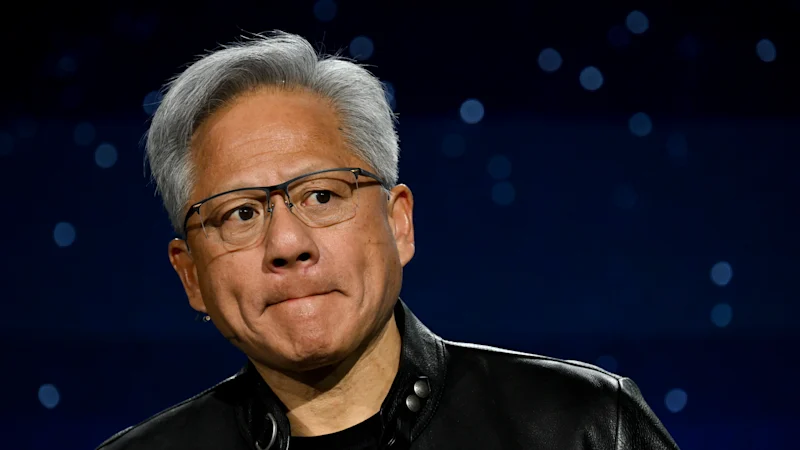
The regulatory tightening follows heightened national security scrutiny in Washington over offshore computing hubs and the ouster of Nvidia chief executive Jensen Huang following revelations regarding a Singaporean data center firm.
- U.S. authorities launched investigations into Megaspeed, a Singapore-based data center company linked to allegations of smuggling controlled chips to China.
- Nvidia announced the formation of a board committee to oversee national security policies and export control compliance as it searches for a permanent successor.
- Technology stocks tumbled across Asian markets following the announcement, with Alibaba shares falling 5 percent in Hong Kong and Tencent dropping nearly 4 percent.
The big picture
For over a decade, Southeast Asian nations have resisted choosing sides in the U.S.-China technology rivalry, maintaining open trade policies with both superpowers.
- Analysts warn that the compliance burden is becoming progressively heavier, eventually forcing regional firms to make difficult choices.
- Beijing has previously retaliated against countries enforcing Western trade restrictions, raising concerns over potential economic blowback for local businesses.
What they're saying
Industry voices highlight the growing pressure on regional operators as long-term balancing acts become increasingly difficult under tightening American oversight.
- "You want high-end US fabricated chips or US designed chips, then you can't have Chinese customers, period," said Greg Poling of the Center for Strategic and International Studies.
- "ASEAN countries should resist being pushed into a binary choice between the US and China," warned Associate Professor Eduardo Araral from the National University of Singapore.
The other side
While the rules aim to close critical security loopholes, industry observers note that restrictions may ultimately incentivize Beijing to accelerate its own domestic technology ecosystem.
- Analysts suggest that denying access to American chips will not eliminate China's capacity to innovate in the long run.
- Instead, trade barriers could strengthen China's resolve to build an independent, self-reliant artificial intelligence framework.