Mediatiqo Haïti
 Mediatiqo República Dominicana
 Mediatiqo Francophonie
 Mediatiqo Iberoamérica
 Mediatiqo Lusófono
Driving the news
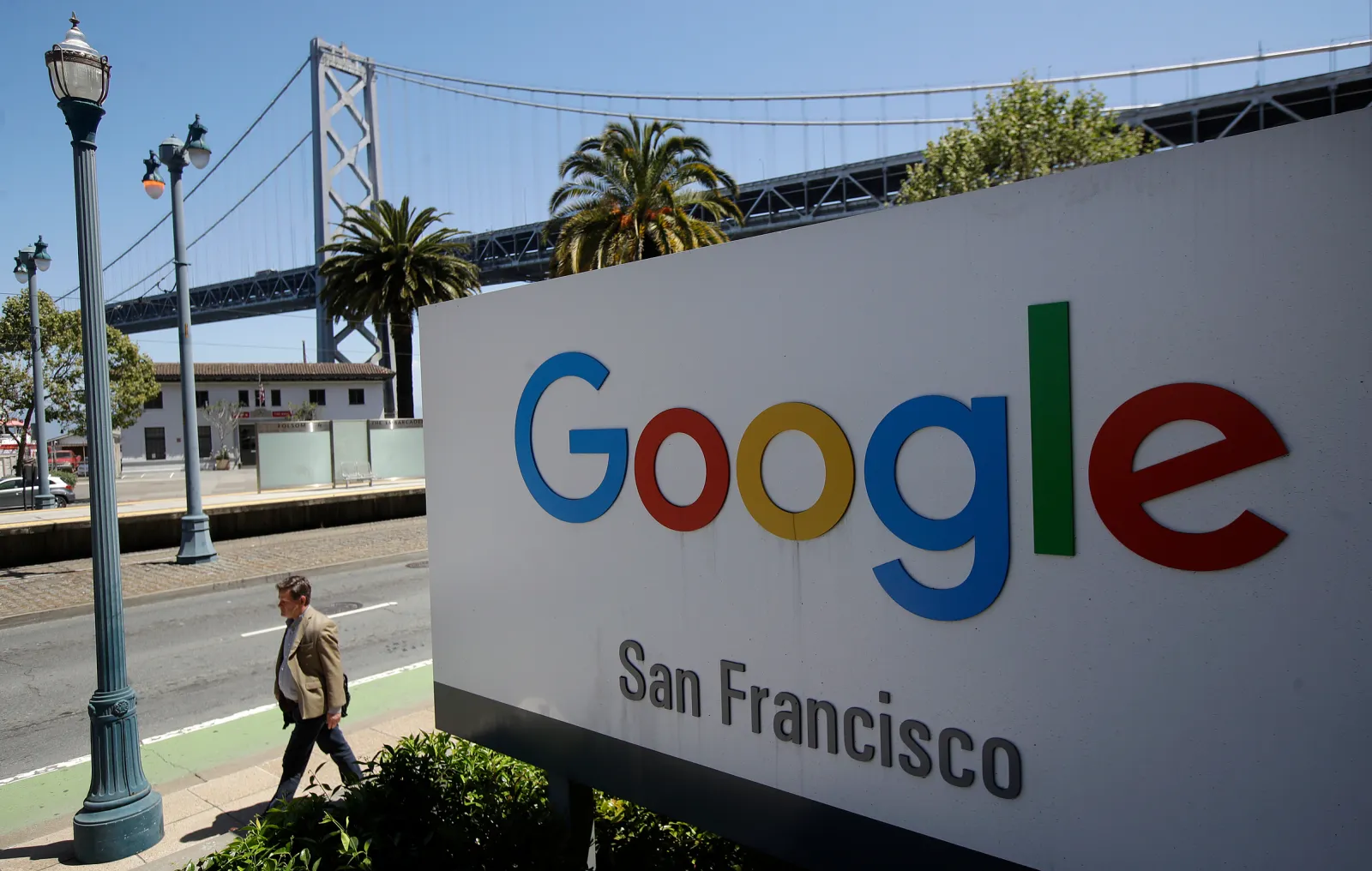
The US State Department imposed the sanctions a day before Beijing’s response, targeting five Chinese entities connected to Linwei Ding, founder of Shanghai Zhisuan Technology.
- The department said Ding touted his Google experience and claimed Zhisuan could replicate the tech giant’s super intelligence infrastructure technology.
- It said Zhisuan “has knowingly engaged in, or benefitted from, significant theft of trade secrets of United States persons” on or after Jan. 5, 2023.
- The startup incubation program MiraclePlus, sanctioned alongside Zhisuan, gave seed capital for an ownership stake in Zhisuan, and the other three penalized entities are linked to MiraclePlus.
What they're saying
China’s commerce ministry rejected the allegations and demanded the US reverse course.
- The move “severely harms the legitimate rights and interests” of Chinese businesses, the ministry said, adding: “The nature of this act is egregious. China firms opposes this.”
- It urged Washington to “correct its erroneous practice” and said Beijing would take “necessary measures,” without specifying them.
- The ministry said China’s AI development is “the result of long-term cultivation in basic research, continuous innovation investment, and adherence to independent scientific and technological innovation and open cooperation,” and that its achievements have “nothing to do with the so-called ‘stealing of trade secrets.’”
The other side
The US case rests on Ding’s criminal prosecution, which has already produced a conviction and a prison sentence.
- Ding was charged in 2024 with stealing AI trade secrets from Google while secretly working with two China-based companies.
- In January, a federal jury in San Francisco convicted him of several counts of economic espionage and theft of trade secrets.
- A judge later dismissed the economic espionage charges and sentenced him to 12 months in prison; the Justice Department is appealing the dismissal.
The big picture
The sanctions widen a US-China dispute over AI know-how that has already moved from courtrooms to corporate blacklists.
- Washington is using export and sanctions tools to punish alleged trade-secret theft beyond criminal cases.
- Beijing frames its AI advances as homegrown, rejecting the premise of the US action.