Mediatiqo Haïti
 Mediatiqo República Dominicana
 Mediatiqo Francophonie
 Mediatiqo Iberoamérica
 Mediatiqo Lusófono
Driving the news
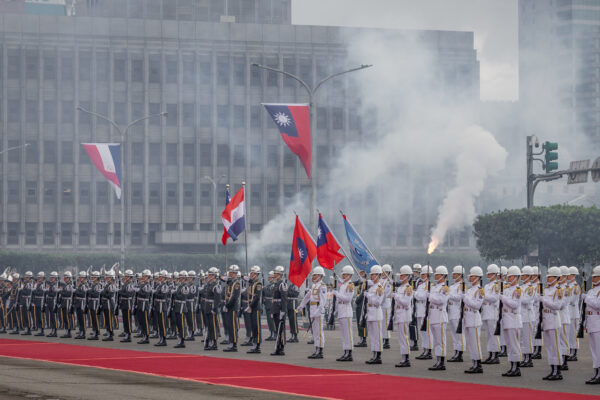
The analysis points to Beijing's pressure campaign around a planned presidential trip to Eswatini as evidence of how China uses its clout against Taiwanese diplomacy.
- In 2026, Beijing pressured Seychelles, Mauritius and Madagascar to revoke flight permits for Taiwan's delegation, preventing President Lai Ching-te from visiting Eswatini during celebrations of King Mswati III's 40th year in power, the analysis states.
- Lai clandestinely visited Eswatini the following month despite Beijing's efforts, according to the analysis.
- Eswatini's exclusion from PRC investment through forums such as the Forum on China-Africa Cooperation imposes an opportunity cost on its economy, the analysis adds.
The big picture
Taiwan's diplomatic map has shrunk since the United Nations admitted the PRC and expelled the ROC in 1971, but the analysis says the remaining ties follow political logic more than trade flows.
- In Africa, Burkina Faso was the latest country to withdraw recognition of Taiwan, doing so in 2018.
- In Latin America, Panama, the Dominican Republic and El Salvador switched to China in 2017 and 2018, reportedly securing hundreds of millions in Chinese funds.
- Guatemala, a strong U.S. ally, and Paraguay, Taiwan's only remaining South American ally, have kept ties with Taipei, the analysis notes.
Between the lines
The analysis argues Taipei will find more success with smaller, less established or politically unique states than with governments prioritizing economic stability.
- Somaliland, the breakaway region of northern Somalia, has deepened ties with Taiwan since 2020, with Israel being the only U.N. member state to recognize its independence in 2025, per the analysis.
- Taiwan's International Cooperation and Development Fund runs six development programs in Somaliland, the analysis states.
- Paraguay's last presidential runner-up pledged to switch recognition to Beijing if elected, and China has funded trips to China for opposition lawmakers lobbying for a switch, according to the analysis.
What we're watching
Whether political loyalty holds through coming elections will determine how long Taipei's remaining diplomatic bloc survives.
- Guatemalan candidates in next year's election could pledge to switch recognition, especially after China canceled Guatemalan coffee and macadamia shipments following a 2024 videoconference between the two presidents, the analysis says.
- In Honduras, both opposition candidates pledged to restore ties with Taiwan in last year's election, and winner Nasry Asfura became president, according to the analysis.