Mediatiqo Haïti
 Mediatiqo República Dominicana
 Mediatiqo Francophonie
 Mediatiqo Iberoamérica
 Mediatiqo Lusófono
Driving the news
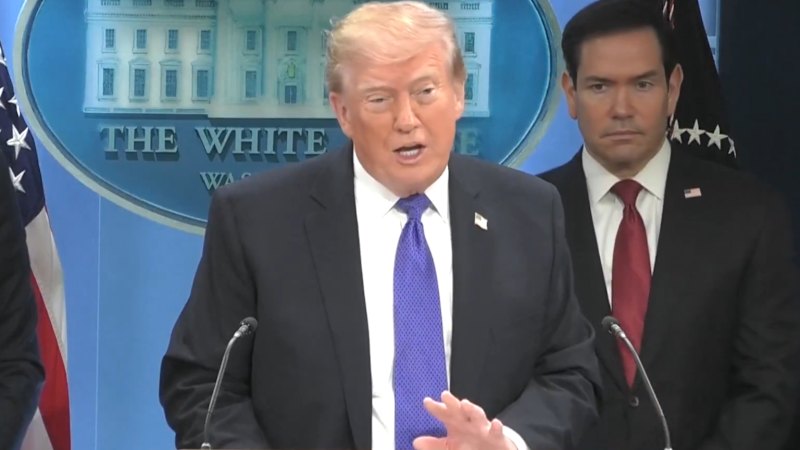
Trump made the remarks during a visit to Dublin, Ireland, and added that he had spoken with Saudi Crown Prince Mohammed bin Salman, whom he called a “friend.”
- According to Axios, bin Salman called Trump twice on 26 September asking for U.S. strikes on the Houthis; Trump declined each request Vanguard.
- The same week the Houthis launched a large‑scale drone and missile barrage against Saudi oil infrastructure, underscoring their growing strike capability Vanguard.
What they're saying
Trump quoted the Houthis as saying, “The Houthis called us and they don’t want to fight with us… they don’t want us to go after them,” and suggested that “everything’s gonna work out fine and dandy” in the region.
- The claim that the rebels directly asked the United States not to intervene appears only in Vanguard’s report and has not been corroborated by other outlets or by any official Houthi statement VanguardVanguard.
The other side
U.S. officials and regional analysts have not confirmed the phone call, and the White House has offered no comment on the alleged request.
- Iranian state media hailed the Houthi capture of the Red Sea coast as a strategic victory, framing it as part of Tehran’s broader effort to pressure the United States Trinidad Tribune.
- Yemen’s internationally recognised government, while acknowledging the loss of Mayun (Perim) Island, warned that the Houthis’ new foothold could jeopardize humanitarian aid deliveries through the Red Sea Trinidad Tribune.
The big picture
The rapid Houthi advance reshapes the balance of power in the Yemen war and raises the stakes for any external military response.
- If the United States remains hands‑off, Saudi Arabia may pursue unilateral action, potentially widening the conflict with Iran.
- Conversely, a U.S. strike could deter further Houthi expansion but risk retaliation against American assets and allies in the region.