Mediatiqo Haïti
 Mediatiqo República Dominicana
 Mediatiqo Francophonie
 Mediatiqo Iberoamérica
 Mediatiqo Lusófono
Driving the news
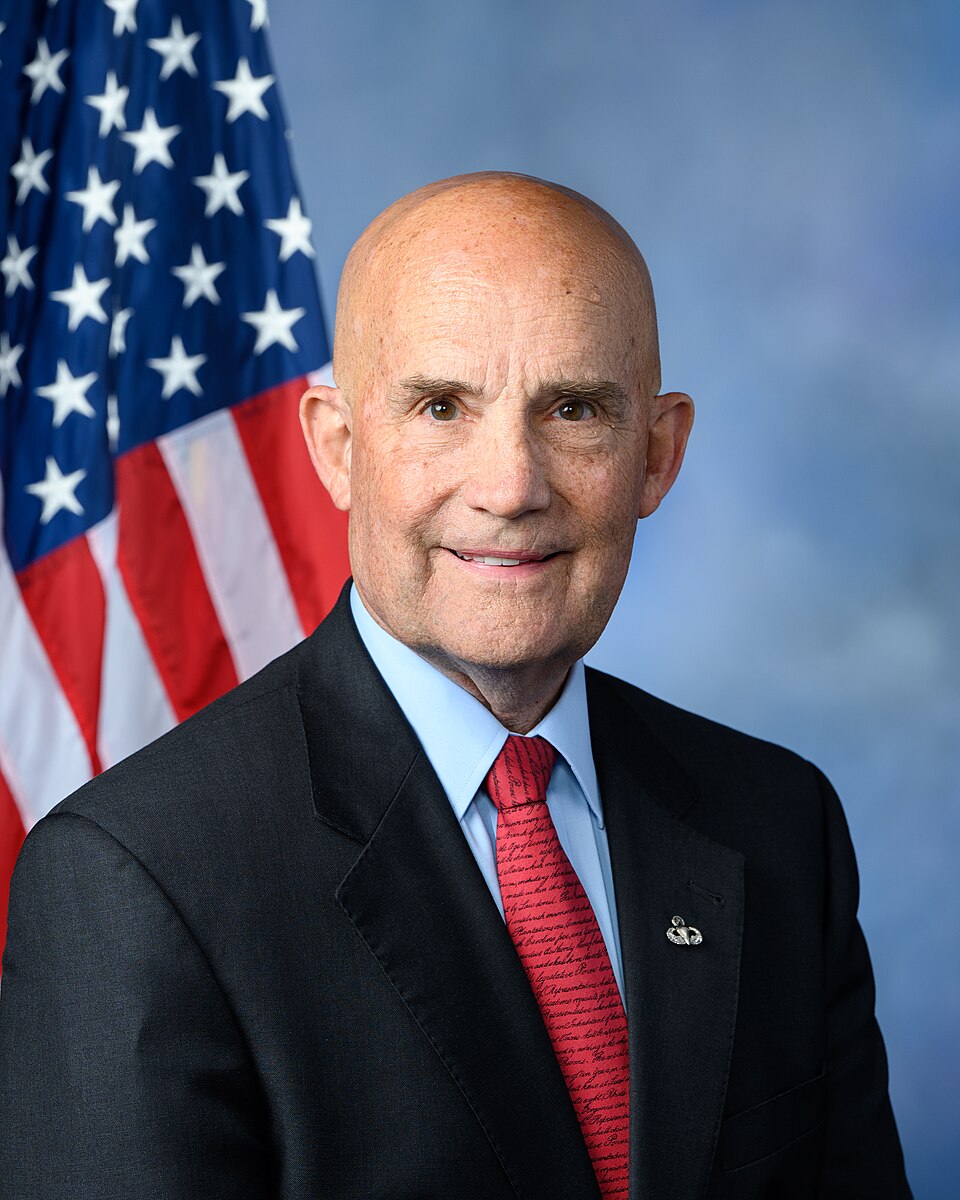
The bill calls for adding space-based sensors and interceptors, associated ground control stations, ground-based missile defense facilities and critical command-and-control infrastructure to the updated Critical Asset List.
- Self's measure cites advances by China and Russia in long-range cruise and hypersonic missile technologies, warning their growing capabilities pose significant threats to the U.S. homeland and critical infrastructure.
- It also points to North Korean leader Kim Jong-un's attendance at a military parade in Beijing in September 2025 alongside Chinese President Xi Jinping, Russian President Vladimir Putin and Iranian President Masoud Pezeshkian as a sign of increased security cooperation among the countries.
What they're saying
The bill states that the proliferation of these missile technologies necessitates a robust, layered defense architecture to protect the United States homeland and forward-deployed forces.
- "The proliferation of these missile technologies necessitates a robust, layered defense architecture to protect the United States homeland and forward-deployed forces," the bill stated.
The big picture
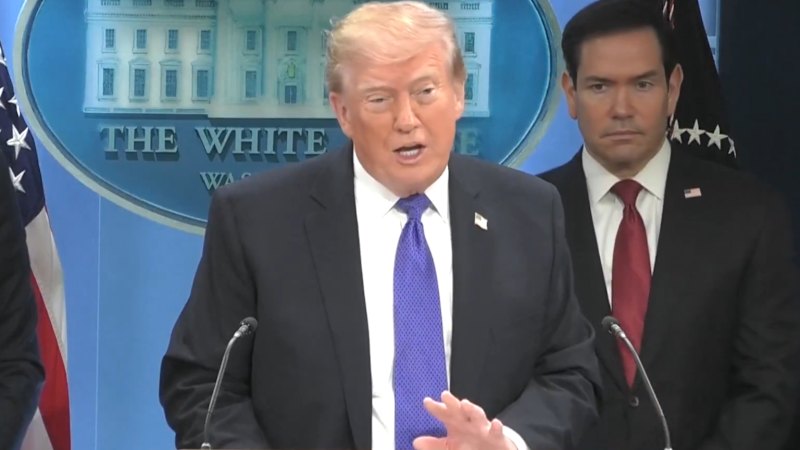
In May 2025, Trump announced a US$175 billion plan to build the Golden Dome missile defense shield, including space-based interceptors, before the end of his term, as Washington seeks to neutralize evolving threats from North Korea, China and Russia.
- North Korea later denounced the U.S. plan as an attempt to pursue an outer space nuclear war scenario.
The bottom line
Self's bill would tie Golden Dome's core infrastructure directly to the Pentagon's asset-protection lists, a step that could shape funding and priorities for the missile shield as it moves through the House Armed Services Committee.