Mediatiqo Haïti
 Mediatiqo República Dominicana
 Mediatiqo Francophonie
 Mediatiqo Iberoamérica
 Mediatiqo Lusófono
Driving the news
Beyond the Middle East, the Asia-Pacific region has absorbed severe economic shocks from the conflict involving the United States, Israel and Iran, leading to heavy spending on fuel subsidies in Indonesia, Malaysia, Thailand and Vietnam.
- Public opinion across the region remains firmly opposed to the war, but analysts point out that a Democratic-controlled Congress would likely only conduct oversight hearings and investigations rather than force an end to the conflict.
- President Donald Trump could veto any legislative attempts to restrict military operations or cut funding, and overriding a veto would require a two-thirds majority in both congressional chambers.
The big picture
On trade, analysts see little room for Congress to rein in the administration or alter tariffs that previously hit Southeast Asian exporters hard with steep duties.
- Stephen Olson of the ISEAS-Yusof Ishak Institute suggested that a strong rebuke of Trumpism at the polls could embolden a pro-free-trade Republican wing, offering a glimmer of hope or carve-outs for the region.
- Joshua Kurlantzick of the Council on Foreign Relations noted that the region's wish list extends to security guarantees and a clearer US presence in the South China Sea and the Taiwan Strait.
What they're saying
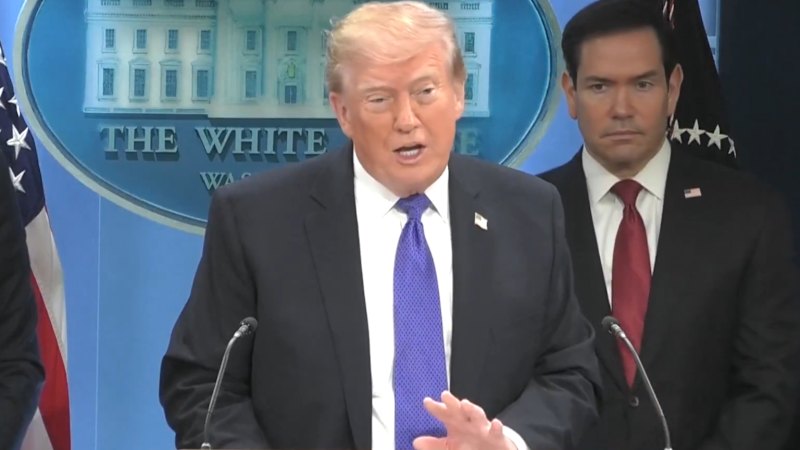
Trade specialist Steven Okun of APAC Advisors emphasized that legislative changes will not translate into broader policy shifts for the region.
- “In some ways, the new Congress is not going to matter to the Asia Pacific because it’s not going to affect trade policy,” Okun said. “Congress cannot change that … Tariffs don’t change. The war doesn’t change.”
The other side
Despite expectations of gridlock on trade and foreign wars, analysts agree that bipartisan consensus will drive tougher restrictions on Chinese technology regardless of the midterm outcome.
- Measures like the Remote Access Security Act, the Chip Security Act, and the MATCH Act are anticipated to pass as both parties align on keeping advanced hardware and AI chips out of China's hands.
- James Guild of the Indonesian International Islamic University warned that a domestic political squeeze could lead to continued erratic foreign policy from a lameduck administration.