The Caribbean at the center. The world in perspective.Journalism to understand more

Search

Follow your curiosity.

Society / The full story

Australia must confront its hidden Asian history

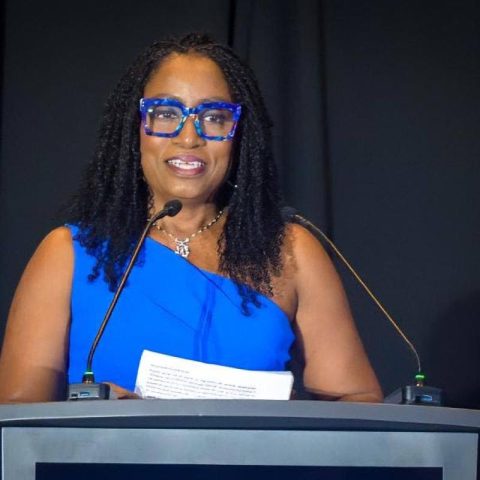
Dr. Louisa Lim, a University of Melbourne lecturer, is calling for a national reckoning with Australia's Asian history, arguing that systemic erasure and a lack of institutional support continue to marginalize Asian Australians.

The essentials

  1. Institutional gaps in education and a lack of specialized study centers leave a significant portion of the country's heritage and identity unexamined.
  2. Only seven government schools nationwide offer Chinese immersion programs, with just four at the secondary level.
  3. Approximately three percent of high school students study Chinese, Japanese, or Indonesian, and fewer than five students graduate annually from honors programs in Chinese studies with language proficiency.
  4. According to research, one in five Chinese Australians reported experiencing offensive name-calling in the past year, with higher rates among younger demographics.
  5. The lack of diverse representation in schools and public discourse leaves many individuals feeling disconnected from their heritage or forced to navigate a society that treats them as outsiders.

Why it matters:

The persistent invisibility of Asian Australian history and a critical shortage of language education hinder the nation's ability to engage effectively with its regional neighbors.

Educational deficits

Australia faces a severe shortage of academic and linguistic resources dedicated to understanding its Asian connections.

  • Only seven government schools nationwide offer Chinese immersion programs, with just four at the secondary level.
  • Approximately three percent of high school students study Chinese, Japanese, or Indonesian, and fewer than five students graduate annually from honors programs in Chinese studies with language proficiency.

The cost of silence

The legacy of the White Australia policy and ongoing anti-Chinese sentiment remain deeply embedded in Australian society, often manifesting as normalized racism.

  • According to research, one in five Chinese Australians reported experiencing offensive name-calling in the past year, with higher rates among younger demographics.
  • The lack of diverse representation in schools and public discourse leaves many individuals feeling disconnected from their heritage or forced to navigate a society that treats them as outsiders.

The stories you chose to return to when you have a moment.

The Mediatiqo newsletter

A little time.
More perspective.

Necessary storage stays on for security, forms and the features you request.