Mediatiqo Haïti
 Mediatiqo República Dominicana
 Mediatiqo Francophonie
 Mediatiqo Iberoamérica
 Mediatiqo Lusófono
Driving the news
The White House said the easing covers plywood sheets, some paper products, certain machinery and refrigeration equipment.
- At the same time, it imposed new levies on carpets, certain valves and waste products, effective October 30.
- Collins said she raised the issue with U.S. Trade Representative Jamieson Greer and Commerce Secretary Howard Lutnick, citing "the toll tariffs are taking on Maine families, businesses, farmers, and growers."
What they're saying
Collins said she "secured" the exemptions for "products crucial to Maine's agricultural industries, including blueberry, potato, apple, and seaweed producers."
- She said many farmers "rely on specialized equipment, packaging materials, and other products from Canada that are either unavailable from American suppliers or cannot be replaced without incurring significant expense."
- She vowed to "encourage a broader trade agreement with Canada, our neighbor, ally, and largest trading partner."
The other side
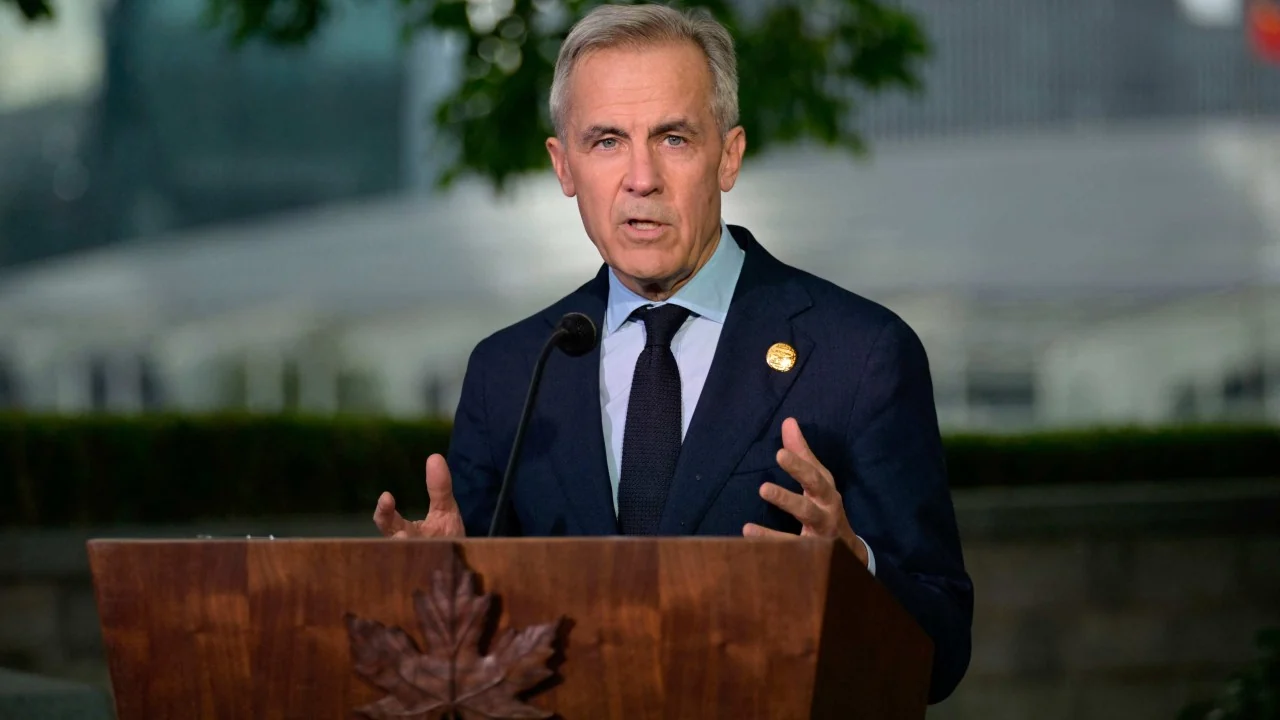
Canada's trade minister, Dominic LeBlanc, said Ottawa takes note of the measures and remains ready to work with Washington.
- "While evaluating these recent measures, Canada remains ready to work together in a constructive and good-faith manner" with the U.S., he said.
The big picture
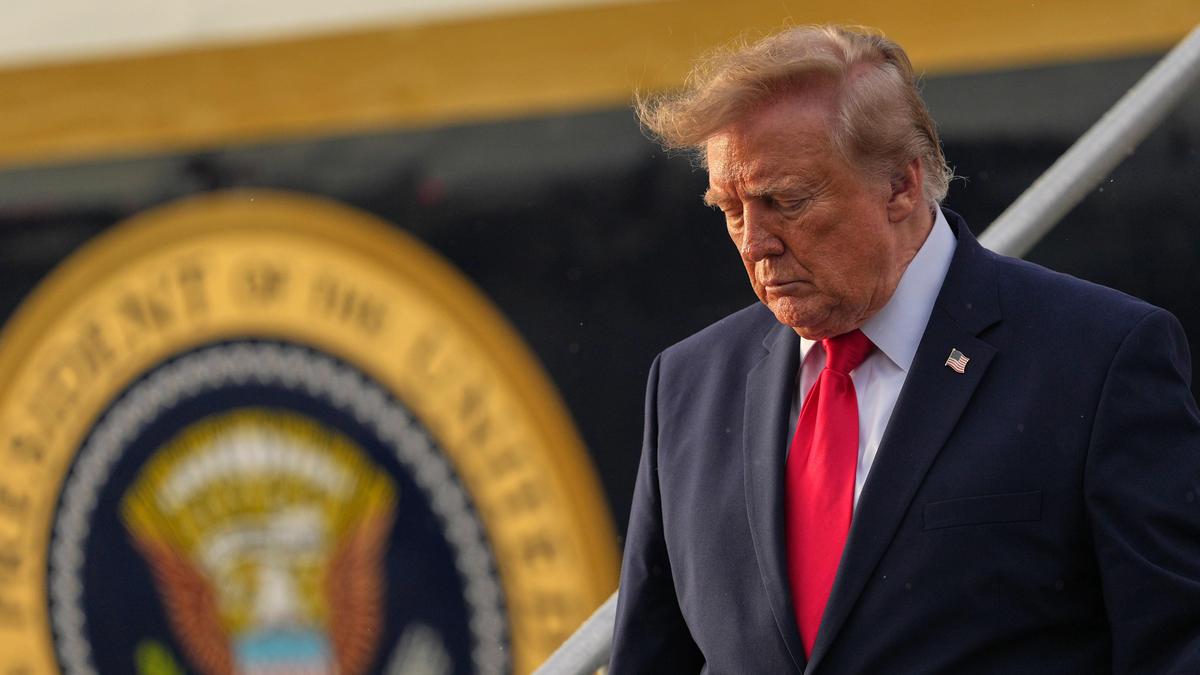
Trade ties have been strained since talks broke down in August, when Trump announced a 50% levy on some Canadian goods and Prime Minister Mark Carney announced retaliatory tariffs.
- The earlier round of tariffs covered about $20 billion in goods, or 5.5% of Canadian exports to the U.S., from hockey sticks to cement.
- Canada has slipped into a technical recession this year after two consecutive quarters of economic contraction.
- Trump told reporters on Friday that "Canada is working very hard to make a deal with us."
What we're watching
Whether the limited relief becomes a template for a broader deal, or stays a targeted fix before voters go to the polls.
- The new levies take effect October 30, four days before the midterms.
- Collins faces Democrat Troy Jackson in Maine, a border state hit hard by the trade war.